Supplier Evaluation Checklist for Y-Shape Wire and Slider Producers
Sourcing Y-shape wire and slider components is a specification decision before it is a commercial one. Two suppliers can quote the same product name — 'Y-shape wire' or 'automatic slider' — and still deliver a different cross-section, a different hardness, or a different base metal. That is exactly why a structured evaluation checklist protects a buyer far more than a price list does.
This guide sets out the checks that matter when you evaluate a producer of Y-shape wire (FPD-YSW), Y teeth (FPD-YTW02), automatic sliders (FPD-ZAS), and pulls (FPD-ZP), and explains how each check connects to the way apparel and luggage manufacturers actually consume those parts. Every product and capability statement below is drawn from Fullgreat Metal Limited's own product data; market context is attributed where a source exists.
Why Y-Shape Wire and Slider Suppliers Are Hard to Compare
The difficulty is not that suppliers are secretive. It is that the words buyers use — profile, hardness, material — hide a wide range of real specifications. A 'Y-shape wire' order can mean a specific cross-sectional micro-geometry held to tight tolerances, or it can mean a generic shaped wire that only resembles a Y. Until those parameters are pinned down, quotes are simply not comparable.
Three gaps make comparison harder:
- Geometry ambiguity. Y-shape wire, Y-teeth wire, profiled wire, and flat wire are different profiles with different forming behaviour. If the profile is not specified down to the cross-section, the downstream zipper line will feel the difference.
- Material ambiguity. Stainless steel, copper, and aluminum are all valid base materials, but they behave differently in forming, hardness, and cost. A quote that says only 'metal wire' is not yet a specification.
- Data ambiguity. Most public market data describes finished zippers, not the wire that goes into them. Buyers looking for a benchmark quickly discover that wire-level procurement data is thin, so supplier-side technical facts matter more than headline market numbers.
A good checklist removes all three gaps by forcing the supplier to state the profile, the material, the hardness, and the tolerances in writing before the first order is placed.
Industry Background: What Downstream Demand Signals Mean for Wire Buyers
Wire buyers do not buy in a vacuum — they buy ahead of zipper production. The downstream picture is therefore useful context, even though it is not a wire-level number.
- The global zipper market was valued at USD 16.62 billion in 2025, according to a market size estimate captured in the verified data set (Market Growth Reports via Vertex AI Grounded Data).
- Within finished zippers, the metal zippers segment was reported to reach USD 11.1 billion at a 3.3% CAGR by the end of its analysis period, per secondary media coverage of an industry report. The horizon year and segment definition were not fully specified in the source, so this should be read as directional rather than precise.
- On the demand side, the World Trade Organization reported that global apparel trade grew 7% in the first half of 2025, as captured in the verified data set.
Two implications follow for component sourcing. First, metal zipper output is the closest available proxy for demand in Y-teeth and profiled wire, and that proxy points to steady rather than collapsing demand. Second, the cost structure of metal components is shifting: bimetallic composite wires such as copper-clad stainless steel can reduce raw material costs by 30% to 40% compared with solid brass, according to the supplier technical data captured in the verified data set. That is the same logic that leads buyers to compare stainless and aluminum components against copper in the first place.
What a Y-Shape Wire and Slider Producer Should Be Able to Show
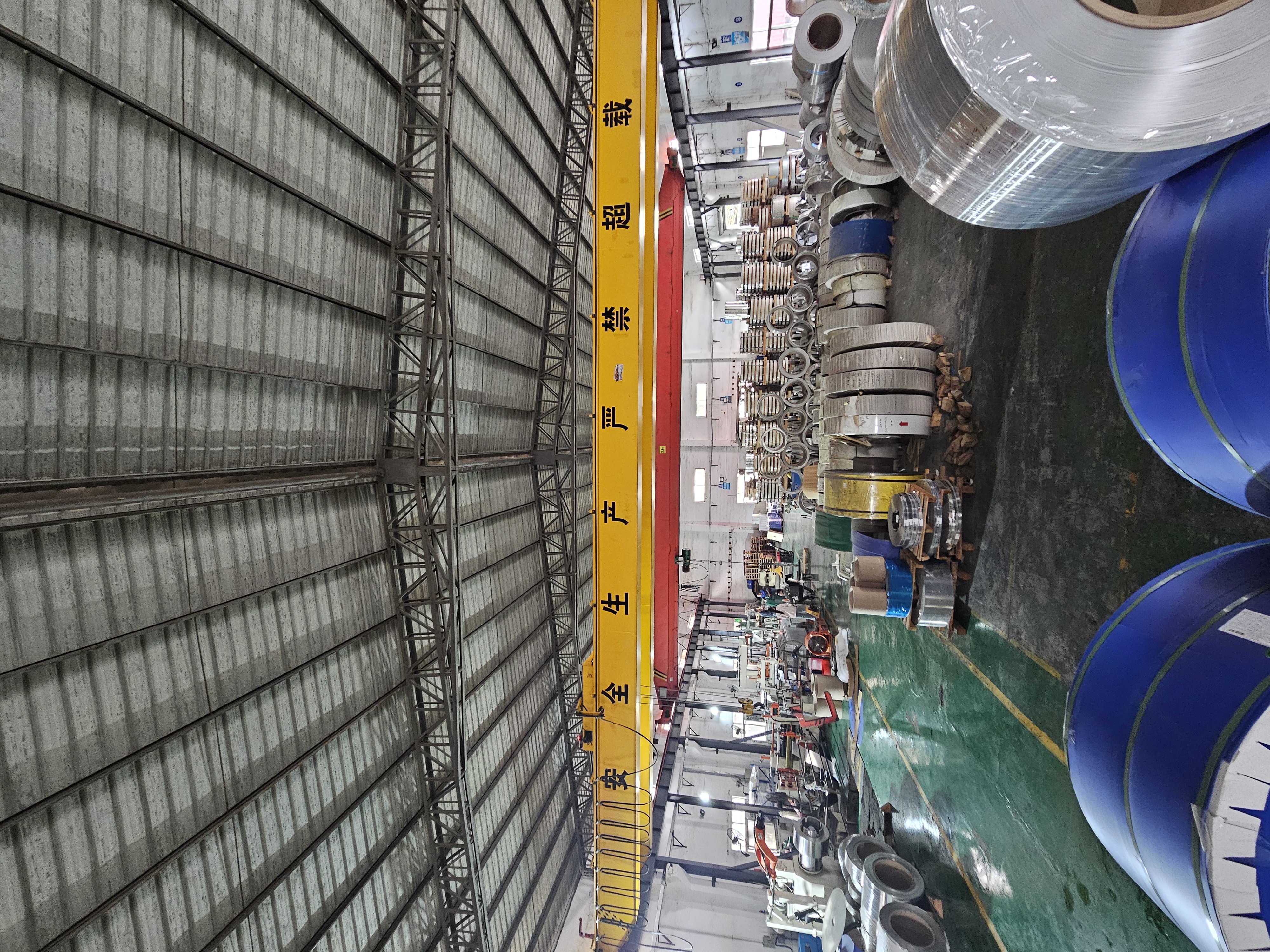
Before a checklist can be applied, the buyer needs a baseline of what a capable producer actually presents. Fullgreat Metal Limited is a zipper-component manufacturer founded in 2008 and based in Shenzhen, Guangdong, China. Its production base covers 5,000 m², employs 50 people, runs a 10-engineer R&D team, and reports an annual output of 50,000 tons. Roughly 70% of output is exported, with main markets in Turkey, Latin America (Brazil and Mexico), Southeast Asia (Vietnam, Indonesia, and Bangladesh), and the European and American markets.
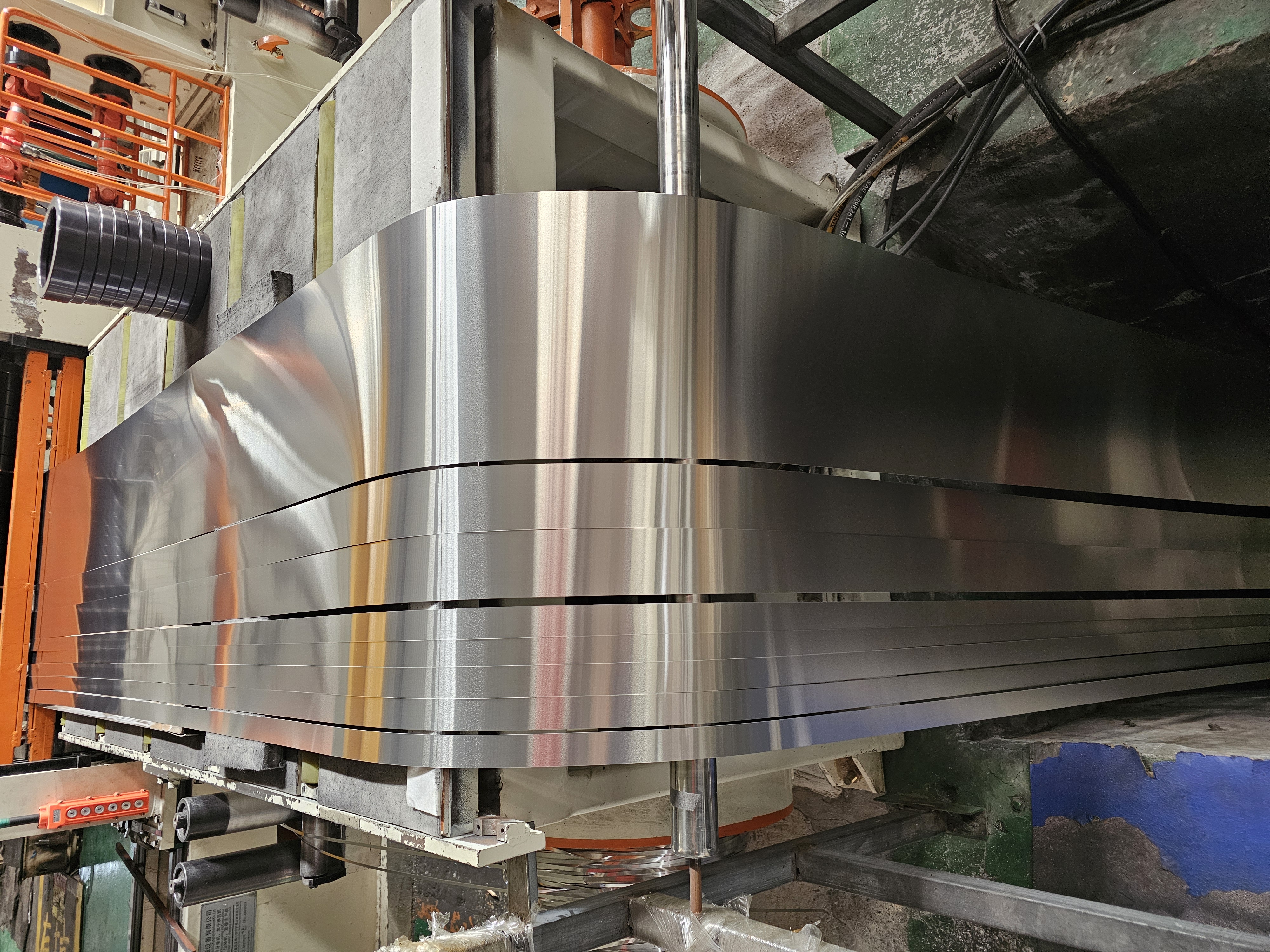
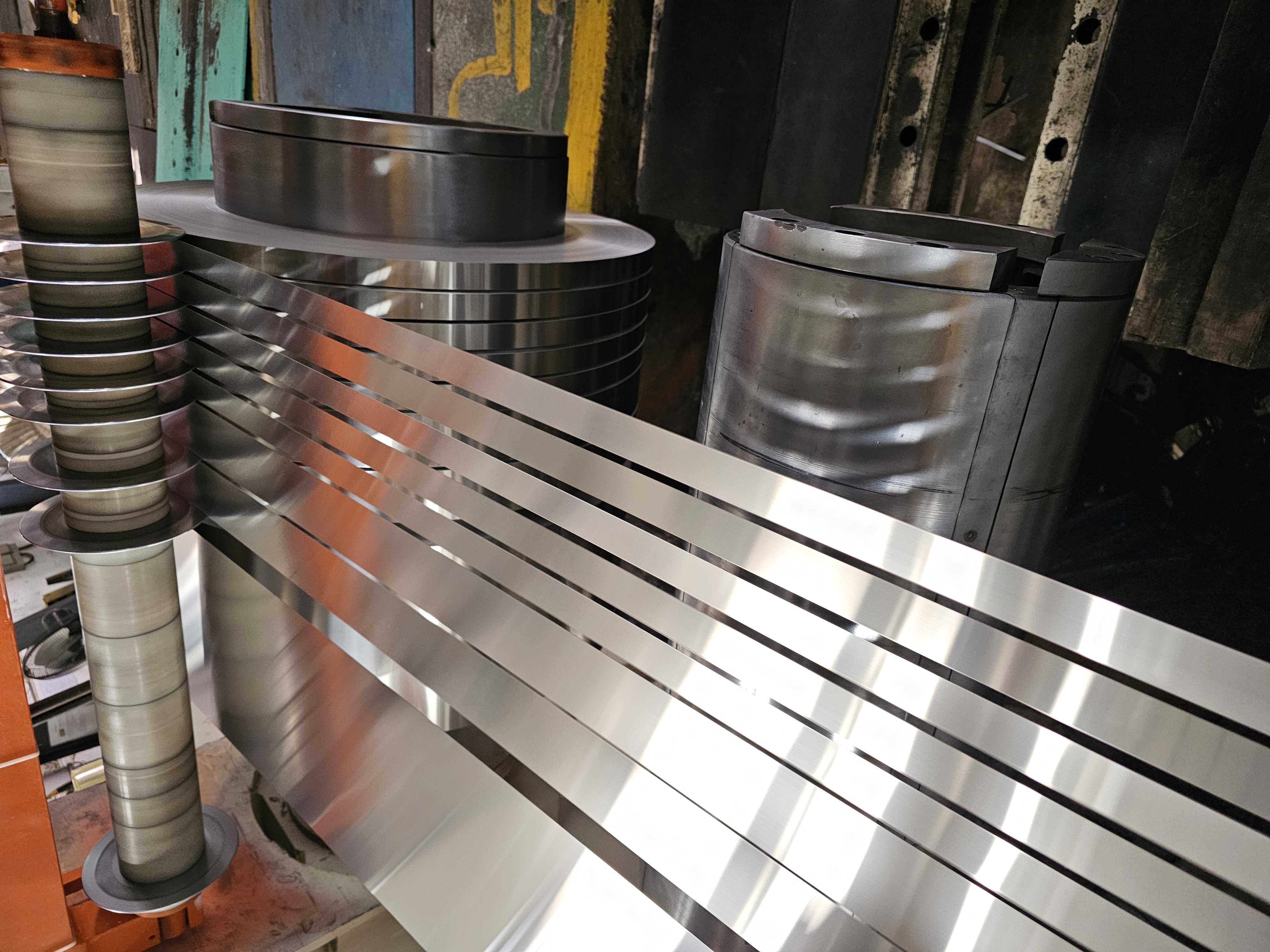
Its component range covers the parts that a Y-shape wire and slider evaluation usually centres on: Y-shape Wire (FPD-YSW), Y Teeth (FPD-YTW02), Zipper Automatic Slider (FPD-ZAS), and Zipper Pull (FPD-ZP), alongside Top Stop, Bottom Stop, Flat Wire (FPD-FW), Profiled Wire (FPD-PW), Metal Round Wire, and Spring Wire. These are produced in stainless steel, copper, or aluminum, which mirrors the company's broader material profile: non-magnetic stainless steel strip and wire, and aluminum strip. The company also states that a number of its developments — including non-magnetic stainless steel for buttons and zippers as a substitute for copper — were produced in cooperation with Sichuan University and are covered by national patents.
Those details are not decoration. Each one answers a specific question a buyer would otherwise have to ask: Can they make the profile I need? Can they make it in the material I need? Can they repeat it at volume?
The Supplier Evaluation Checklist: Step by Step
Use the following eight checks in order. Each one should produce a written answer you can hold the supplier to.
1. Confirm the exact profile
Ask the supplier to name the profile in their own catalogue and to describe the cross-section. 'Y-shape' alone is not enough — distinguish between Y-shape wire, Y-teeth wire, profiled wire, and flat wire, because they are formed differently and serve different positions on the zipper. A supplier that can name its own models (for example FPD-YSW for Y-shape wire or FPD-YTW02 for Y teeth) is easier to hold to a specification than one that only quotes a category.
2. Verify the material options and the cost logic behind them
Confirm whether the component is available in stainless steel, copper, or aluminum, and ask what drives that choice. Copper is the traditional reference point, and full-metal copper components carry the highest material cost. Fullgreat reports that its components deliver approximately 40% cost savings compared with copper alternatives, and the wider industry pattern of bimetallic substitution (30%–40% raw-material cost reduction versus solid brass) points in the same direction. Ask the supplier to state clearly which material the quote is based on.
3. Check hardness options and consistency
Hardness is where 'soft or hard' becomes a real decision. The zipper pull (FPD-ZP), for example, is offered with customizable shape, size, and hardness (soft or hard). For Y teeth and stop wires, hardness affects how the part forms, how it wears, and how the finished zipper feels in use. Ask for the supplier's hardness range and, critically, how they keep it consistent batch to batch — not just what the first sample measured.
4. Test OEM and shape-customization flexibility
A producer that only sells catalogue shapes will limit your design freedom. Ask whether shape and size can be customized, whether the supplier supports OEM/ODM work, and what the R&D team can actually do. A stated R&D capability (Fullgreat runs a 10-engineer team) is only meaningful if you can also see the customization workflow — how a drawing becomes a sample, and how a sample becomes a production run.
5. Verify dimensional tolerance
Tolerance is the single most useful technical number in this category. Fullgreat states that its preformed Y-teeth zipper wire is produced with a dimensional tolerance of ±0.01 mm, achieved by controlling cross-sectional micro-geometry and uniform tensile elongation. When you evaluate any producer, ask for a tolerance figure and the measurement method behind it. A supplier that cannot state a tolerance is asking you to accept an unknown.
6. Review quality control and traceability
Quality control should be described as a process, not a promise. In Fullgreat's case, shipment readiness is supported by full-automatic needle detector equipment, dedicated inspectors running 100% full inspection, and recorded test data kept for traceability. Treat this as your template for questions: What is inspected? At what stage? Is the inspection complete or sampled? Is the data retained?
7. Validate capacity and supply continuity
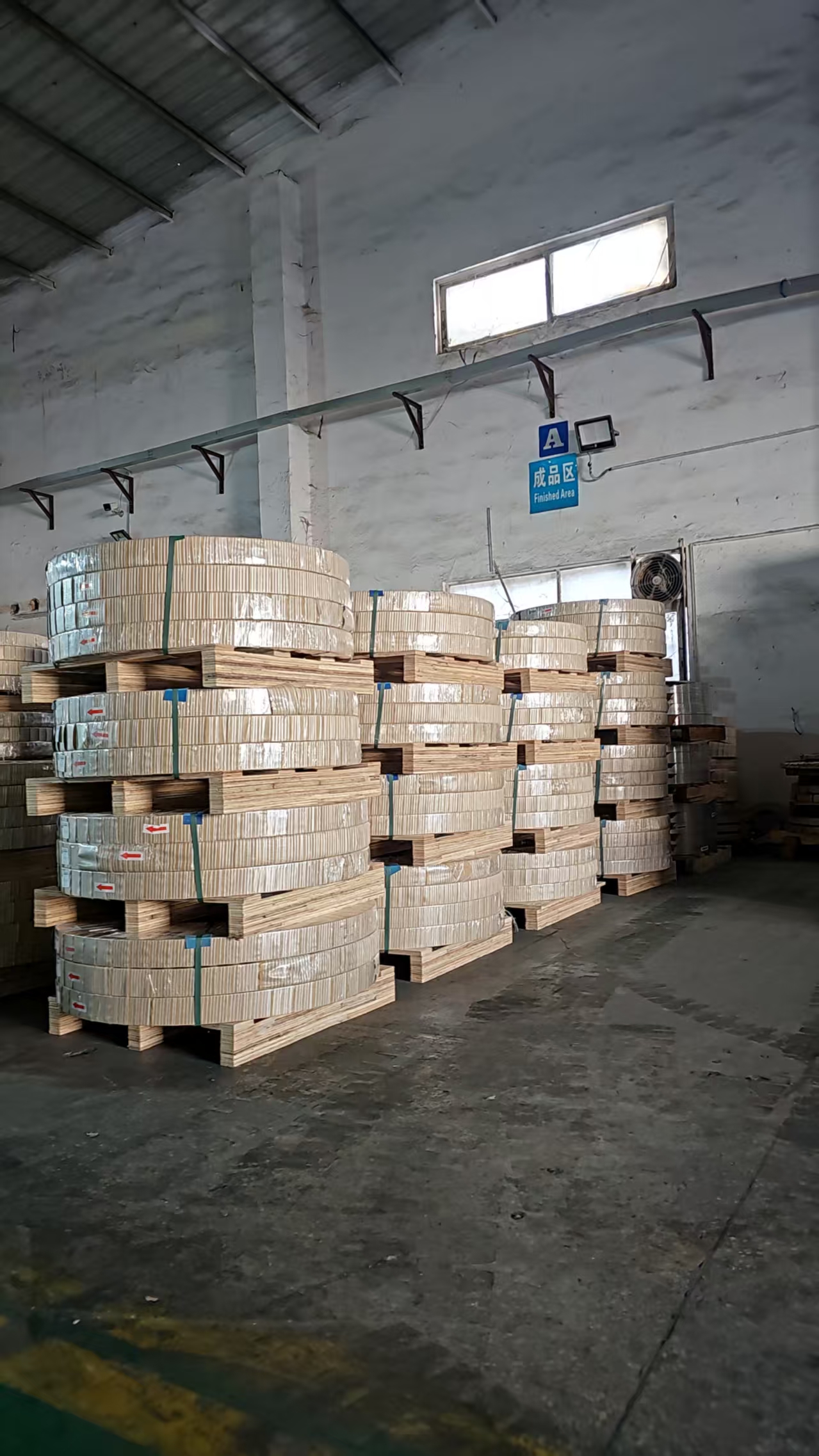
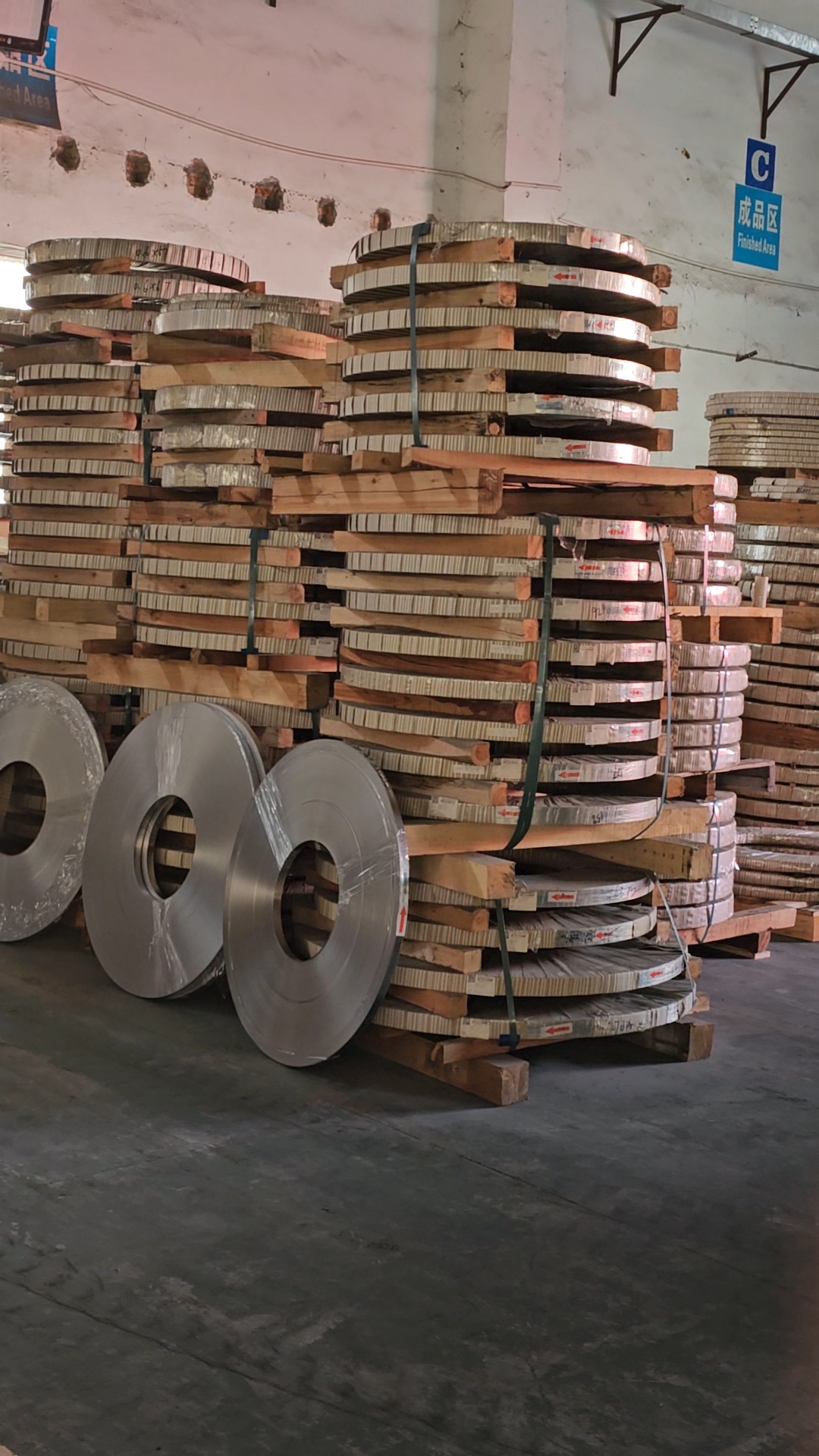
Capacity answers whether a supplier can grow with you. Fullgreat reports an annual output of 50,000 tons from a 5,000 m² facility with a 70% export ratio — a combination that suggests both volume capability and familiarity with export logistics. Beyond the headline number, ask how capacity is allocated across materials, and how the supplier handles a sudden increase in your order volume.
8. Match the component to the end use: apparel versus luggage
The last check ties the specification back to the product. Fullgreat positions its components as more suitable for clothing accessories scenarios, and the bottom stop wire (FPD-BSW) and zipper pull (FPD-ZP) are both listed for the clothing accessories and bag & luggage industries. Flat wire (FPD-FW) and profiled wire (FPD-PW) extend further, into electronic accessories, home appliances, and medical devices. Confirm which end use your order is actually for before finalizing hardness and material.
Use Cases: Apparel and Luggage Components
The evaluation checklist changes slightly depending on what the component is for.
Apparel and clothing accessories. This is the application where Y teeth, Y-shape wire, stop wires, sliders, and pulls are used in the highest volumes. The priority here is repeatable profile geometry, consistent hardness, and cost per unit at scale. Because these parts run on high-speed zipper lines, small profile deviations multiply quickly. This is also the segment where the comparison against copper matters most: Fullgreat reports that its components deliver longer service cycles with fewer replacement parts than copper alternatives, alongside the roughly 40% cost advantage.
Bag and luggage. Luggage zippers are typically heavier and see rougher handling, so hardness and tensile behaviour matter more than they do in light apparel. The same product lines — Y-shape wire, Y teeth, automatic sliders, pulls, and bottom stop wire — are listed for the bag & luggage industry, but the buyer should confirm that the hardness option selected matches the load the zipper will carry.
Adjacent industries. Flat wire (FPD-FW) and profiled wire (FPD-PW) are also intended for electronic accessories, home appliances, and medical devices. If your project crosses into these areas, the same eight checks apply, but tolerance and traceability usually become the dominant requirements.
Comparison Tables
Fullgreat Component Line at a Glance
| Component | Model | Base materials | Customization noted | Industry fit |
|---|---|---|---|---|
| Y-Shape Wire for Zipper | FPD-YSW | Stainless steel, copper, aluminum | Shape and profile | Apparel & luggage components |
| Y Teeth | FPD-YTW02 | Stainless steel, copper, aluminum | Profile geometry (±0.01 mm tolerance on Y-teeth wire) | Apparel & luggage components |
| Zipper Automatic Slider | FPD-ZAS | Stainless steel, copper, aluminum | Sizing | Apparel & luggage components |
| Zipper Pull | FPD-ZP | Stainless steel, copper, aluminum | Shape, size, hardness (soft or hard) | Clothing accessories; bag & luggage |
| Bottom Stop Wire | FPD-BSW | Stainless steel, copper, aluminum | Sizing | Clothing accessories; bag & luggage |
| Flat Wire | FPD-FW | Stainless steel, copper, aluminum (customizable) | Custom cross-section | Electronic accessories, home appliances, medical devices, clothing accessories |
| Profiled Wire | FPD-PW | Stainless steel, copper, aluminum | Custom profile | Clothing accessories, medical devices, home appliances, electronic accessories |
Fullgreat Components vs. Solid Copper Zippers
| Decision factor | Fullgreat components | Solid copper reference |
|---|---|---|
| Reported cost | Approximately 40% lower cost | Baseline |
| Service cycle | Longer service cycle | Baseline |
| Replacement parts | Fewer replacement parts required | Baseline |
| Material utilization | Lower raw-material loss rate and higher material utilization efficiency | Not stated |
| Reported best-fit application | More suitable for clothing accessories | Less suitable for clothing accessories per the same comparison |
The comparison above reflects Fullgreat's own reported comparison against copper zippers. It is presented as a stated comparison, not as an independently verified third-party test result.
FAQ
How do I verify quality control at a Y-shape wire and slider producer?
Ask for the inspection process in writing rather than a certificate claim. A credible answer names the equipment, the inspection rate, and the record-keeping. Fullgreat, for example, states that it installs full-automatic needle detector equipment, assigns dedicated inspectors to conduct 100% full inspection, and records test data for traceability. Pair that with a tolerance figure — Fullgreat states ±0.01 mm on its preformed Y-teeth zipper wire — so you have both a process and a measurable outcome to audit.
What OEM flexibility should I expect from a Y-shape wire and slider supplier?
Expect confirmed customization across shape, size, and hardness, and expect the supplier to say which of those are standard and which require tooling. Fullgreat offers customizable shape, size, and hardness on its zipper pull (FPD-ZP), offers Y-shape wire (FPD-YSW), Y teeth (FPD-YTW02), automatic sliders (FPD-ZAS), and pulls (FPD-ZP) in stainless steel, copper, or aluminum, and runs a 10-engineer R&D team. A producer that can only supply fixed catalogue shapes will not be able to follow a design change.
Can material choice reduce my component cost?
Yes, and the effect can be large. Fullgreat reports approximately 40% cost savings for its components compared with copper alternatives. That aligns with the broader industry direction captured in the verified data set, where bimetallic composite wires can cut raw material costs by 30% to 40% versus solid brass. The practical step is to ask your supplier to quote the same component in stainless, copper, and aluminum so the cost difference is visible against an identical specification.
What should a sample evaluation focus on?
A sample is only useful if it is measured, not just handled. Focus on four things: the cross-section against your drawing, the dimensional tolerance achieved, the hardness actually delivered, and whether the sample was produced on the same line that will run your order. If a supplier quotes ±0.01 mm, verify it on the sample. If hardness is stated as 'soft or hard', confirm which one the sample represents.
What capacity and lead-time signals matter before I order?
Look for stated capacity, factory footprint, and export experience, because together they indicate whether a supplier can absorb your volume and ship it reliably. Fullgreat reports an annual output of 50,000 tons from a 5,000 m² facility, with a 70% export ratio and main markets in Turkey, Latin America (Brazil and Mexico), Southeast Asia (Vietnam, Indonesia, and Bangladesh), and the European and American markets. For a specific project, the fastest route is to send your profile drawing and required volume directly: you can request a sample or a quotation by email at Bruce@fullgreat.com, by phone or WhatsApp at +86 13556896920, or through www.fullgreat.com.
Evaluating a Y-Shape Wire and Slider Producer: The Bottom Line
A supplier evaluation in this category is really a specification audit. The profile, the material, the hardness, the tolerance, and the quality-control process are the five facts that decide whether two quotes are actually comparable. Get those in writing, run one measured sample, and confirm capacity against your volume — and the decision becomes a comparison of like with like instead of a guess between product names.
Fullgreat Metal Limited manufactures Y-shape wire, Y teeth, automatic sliders, pulls, stop wires, flat wire, and profiled wire in stainless steel, copper, or aluminum, with customizable shape, size, and hardness. If you would like the full technical overview, you can download the Fullgreat company profile (PDF).
Request a Sample or Quotation
Send your Y-shape wire, Y teeth, slider, or pull specification and required volume to Fullgreat Metal Limited. Email Bruce@fullgreat.com or message +86 13556896920 on WhatsApp. Website: www.fullgreat.com.
Have Questions or Need More Details?
Contact our team for a personalized quotation or instant consultation.
Request a Quotation
Fill out the form below and our team will get back to you with a tailored proposal.
WhatsApp Direct Chat
Prefer to chat in real-time? Message us on WhatsApp for instant assistance & quick answers.
- Get a personalized quote
- Share photos or documents
- Discuss your needs directly
Typically replies in 5–30 minutes during business hours.