Zipper Metal Wire: The Decision Maker's Guide to Materials, Costs, and Suppliers
Zipper Metal Wire: How to Compare Materials, Costs, and Suppliers With Confidence
Choosing the right zipper metal wire affects finished-product quality, production stability, and long-term cost. Manufacturers in clothing accessories, bag & luggage, and related industries need to compare material behavior, wire profile, and supplier capabilities before committing to a contract. This guide provides a practical decision framework, focusing on the performance and cost differences between Fullgreat's non-magnetic stainless steel zipper wire and traditional copper zipper wire.
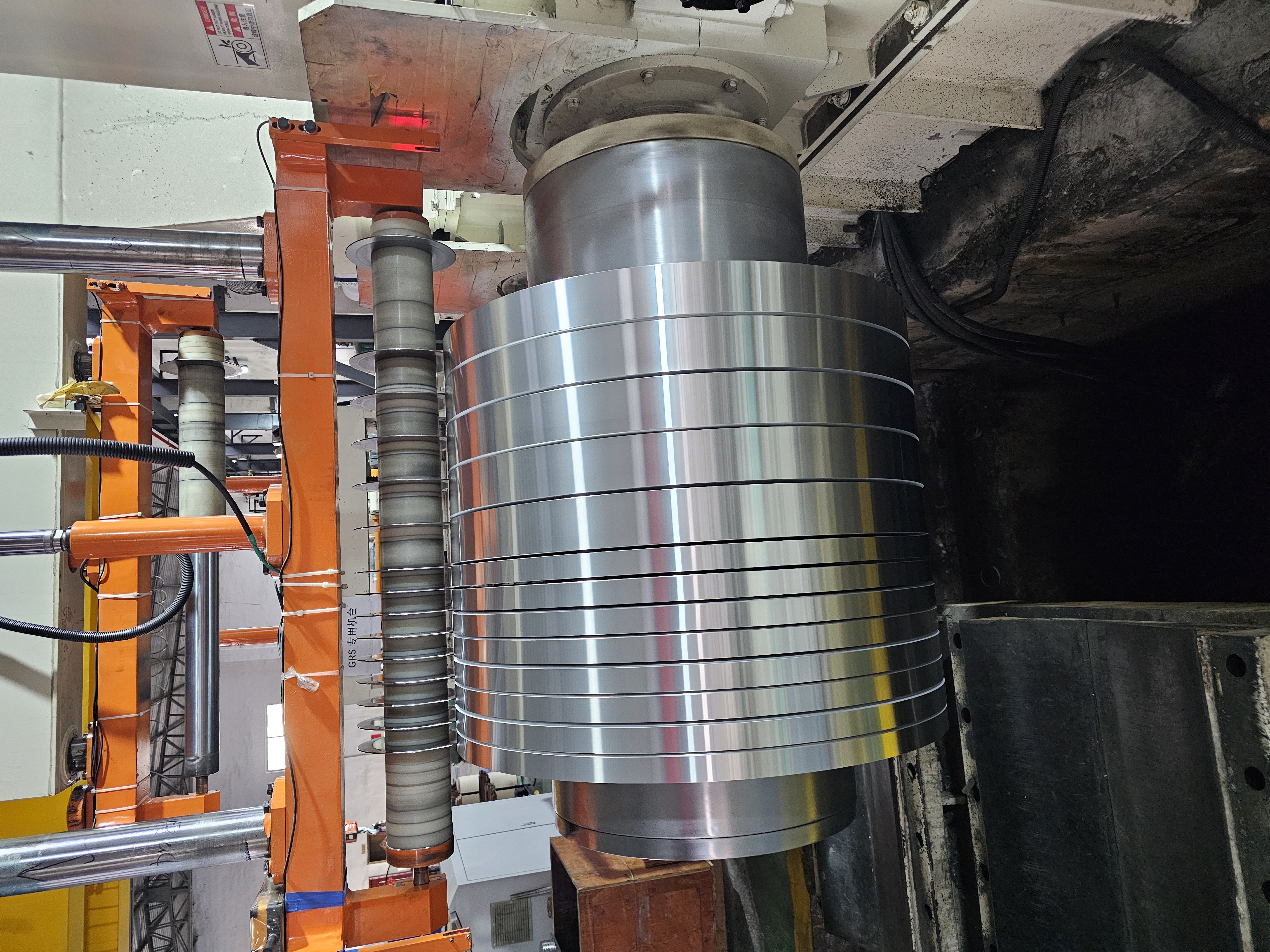
Stainless steel strip is one of the raw material forms used to manufacture zipper metal wire.
Problem Definition: Why Zipper Metal Wire Selection Is Hard
Zipper metal wire is a functional component, not a commodity. The wire must form consistent teeth, stops, and sliders; match the intended aesthetic; survive repeated opening and closing; and fit within the buyer's material budget. Many purchasing teams default to copper because it is established, but alternatives such as non-magnetic stainless steel can deliver comparable or better performance with a different cost profile. The difficulty is comparing options that differ in material properties, corrosion resistance, production behavior, and total lifetime cost without access to standardized metrics.
In addition, supplier evaluation is often unclear. Buyers need to assess whether a supplier can hold dimensions, control surface quality, run the required custom profiles, and back its claims with documented quality control. A decision based only on sample appearance or unit price can miss important cost drivers such as rejection rates, replacement frequency, and after-sales support.
Industry Background: Growing Demand for Metal Zippers and Wire
The metal zipper market is expanding. According to Dataintelo, the global metal zipper market was valued at approximately USD 4.8 billion in 2025 and is projected to reach USD 7.9 billion by 2034, growing at a CAGR of 5.7%.
Trade data also points to the importance of Chinese suppliers. China's zipper exports reached USD 1.66 billion in 2023, and Guangdong province accounted for 22.6% (USD 375 million) of that total, with a specialization in metal zippers. Buyers sourcing from Guangdong are in a region with established metal-forming supply chains, but that also means they need to differentiate among many factories with different capabilities.
Material composition remains relevant. In the metal zipper wire market, brass is the leading material type with a 44.1% market share as of 2025, according to Dataintelo, because of its aesthetic and anti-corrosive properties. This means most buyers compare alternatives against a copper-alloy baseline. Understanding the cost and service-life trade-off is central to the decision.
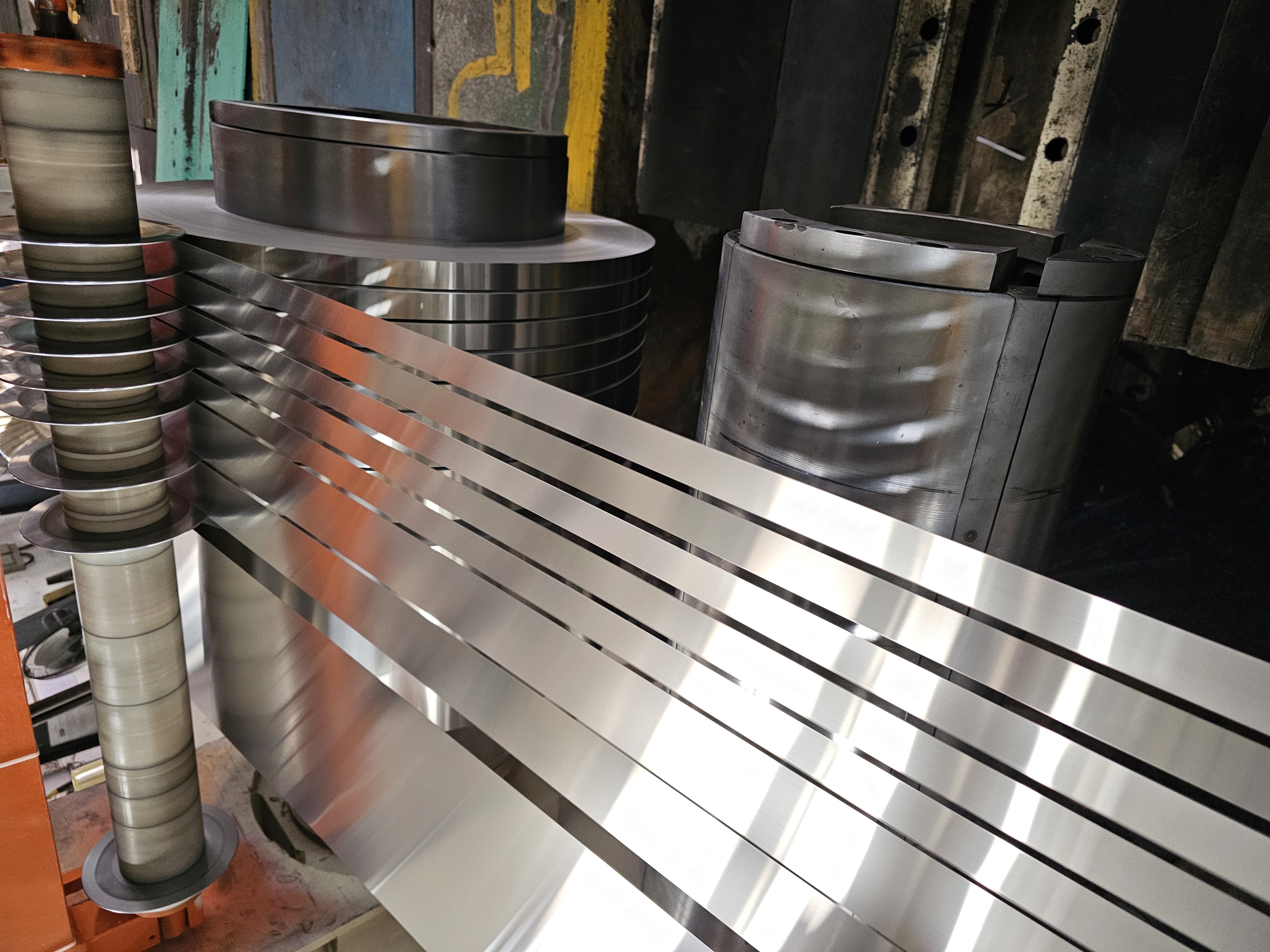
Non-magnetic stainless steel is increasingly used as a replacement for copper in zipper components.
Detailed Solution: Fullgreat Zipper Metal Wire vs. Copper Zipper Wire
Fullgreat Metal Limited is a Shenzhen-based manufacturer founded in 2008. The company produces non-magnetic stainless steel strip, non-magnetic stainless steel wire, aluminum strip, and other metal materials. Its products are used mainly in buttons, zippers, clothing accessories, communication accessories, electronic products, and automobile accessories. Most of the company's products are self-developed and manufactured.
Fullgreat began researching non-magnetic stainless steel for buttons and zippers in 2008 as a replacement for copper strip. In cooperation with Sichuan University, the company developed non-magnetic stainless steel strip and later commercialized grades such as FPD806, FPD808 strip and FPD901, FPD902 wire. These grades have since been used in button and zipper applications as well as communications accessories, automotive products, and aerospace products. The company has also obtained a number of national patents through this development work.
For buyers comparing materials, the key documented difference is clear: the Fullgreat product offers 40% lower costs compared to copper zippers. It also provides a longer service cycle and requires fewer replacement parts. The core differences lie in performance, lifespan, and cost, which makes the product suitable for clothing accessories scenarios. This comparison is not about labeling copper as poor; it is about giving buyers a documented alternative that can lower cost and extend maintenance intervals.
Zipper Wire Profiles Available
Fullgreat's catalog includes Special-Shaped Wire, Shaped Wire, Profiled Wire, Metal Round Wire, Round Wire, Flat Wire, Spring Wire, Top Stop, Bottom Stop, Zipper Puller, Zipper Automatic Slider, Y-shape Wire for Zipper, Y shape wire, Y teeth wire, and Y teeth. The table below summarizes the product-specific profiles described in Fullgreat's technical data.
| Wire Type | Model | Materials | Typical Applications |
|---|---|---|---|
| Flat Wire | FPD-FW | Stainless steel, copper, or aluminum (customizable) | Electronic accessories, home appliances, medical devices, clothing accessories |
| Profiled Wire | FPD-PW | Stainless steel, copper, or aluminum | Clothing accessories, medical devices, home appliances, electronic accessories |
| Bottom Stop Wire | FPD-BSW | Stainless steel, copper, or aluminum | Clothing accessories, bag & luggage |
| Zipper Pull | FPD-ZP | Stainless steel, copper, or aluminum | Clothing accessories, bag & luggage |
| Y-Shape / Y Teeth Wire | — | Stainless steel or copper alloy | Metal zipper teeth forming |
Y-shape zipper wire is specifically engineered from stainless steel or copper alloys for high durability and precision in metal zipper teeth forming, according to industry technical sources. This profile is a core input for metal zipper production. Top stop and bottom stop wires are also essential for maintaining the structural integrity of the finished zipper.
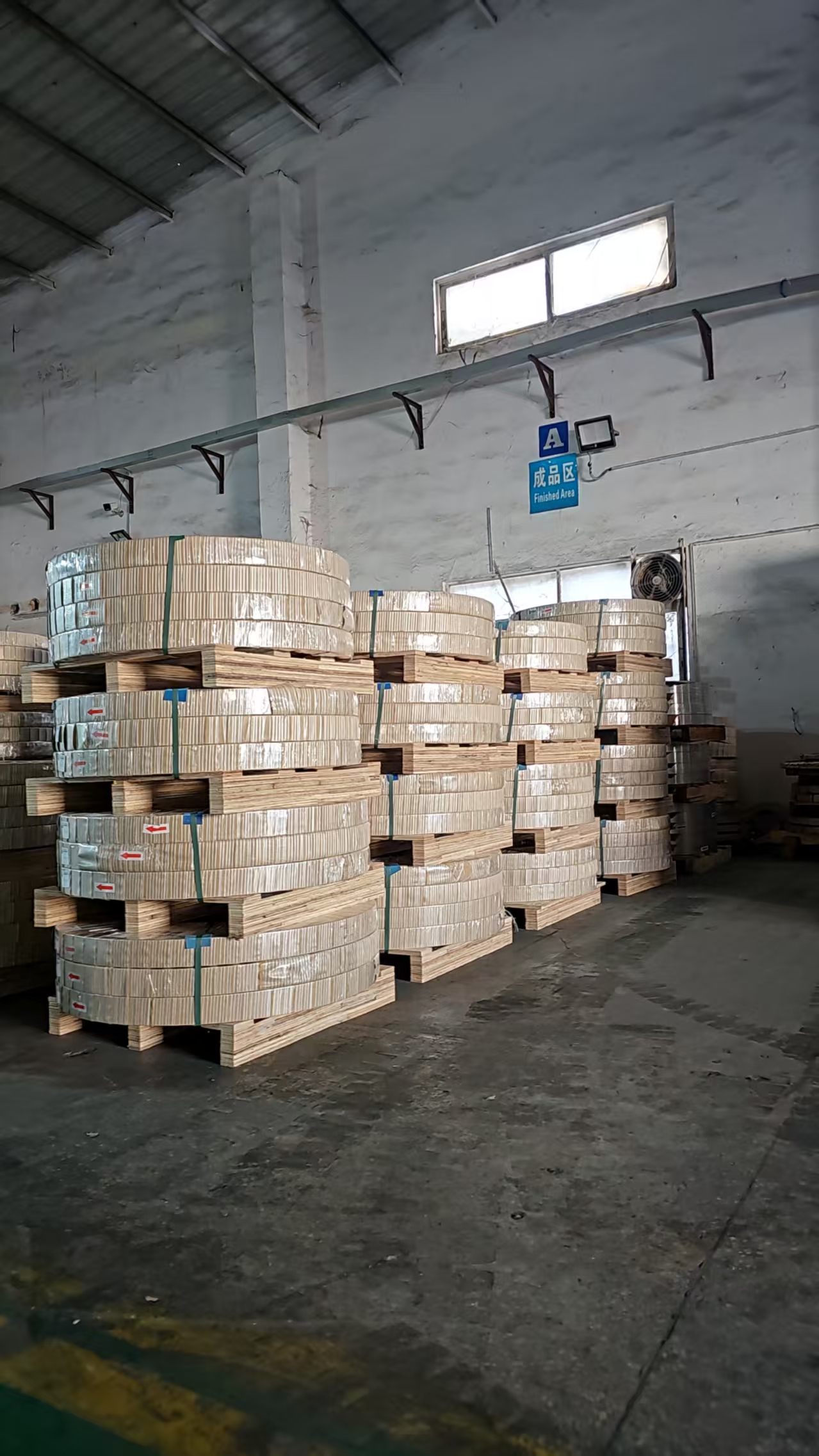
Aluminum is one of the material options for flat wire, profiled wire, and stop wire.
Step-by-Step Breakdown: How to Evaluate a Zipper Metal Wire Supplier
Use this sequence to compare suppliers and avoid decisions based only on unit price.
Step 1. Define the wire profile and end-use
Determine which component the wire will become: zipper teeth (Y-shape wire or Y teeth wire), top stop, bottom stop, zipper puller, or slider. Flat wire and profiled wire serve different production steps. A supplier should be able to explain which profile is appropriate for your zipper type and production equipment.
Step 2. Compare material properties
Look for materials that match your performance requirements. Non-magnetic stainless steel is an option where magnetic response is a consideration. Copper and aluminum remain valid choices for certain aesthetics and forming behavior. Ask for material-grade documentation rather than relying on visual samples alone.
Step 3. Estimate total cost, not just material price
The relevant cost includes the wire price plus downstream production yield, rejection rate, service cycle, and replacement frequency. Fullgreat's zipper metal wire is documented at 40% lower cost than copper zippers, with longer service cycles and fewer replacement parts needed. For buyers producing clothing accessories, this can translate into a lower cost per finished zipper over time.
Step 4. Verify quality control and compliance
Quality systems matter more when ordering at scale. For zipper components, one specific risk is failing the needle detection test. Fullgreat addresses this risk by performing strict needle detection testing before shipment, installing full-automatic needle detector equipment, assigning dedicated inspectors to conduct 100% full inspection, and recording test data for traceability. These controls reduce the chance of a failed test and provide buyers with a clear quality trail.
Step 5. Assess customization and R&D capability
Custom profiles require a supplier with engineering resources. Fullgreat has a 5,000m² factory, a 50-person team, 10 engineers, and an annual output capacity of 50,000 tons. Its history includes self-developed non-magnetic stainless steel grades and national patents. For OEM/ODM projects, this type of production depth is a practical advantage because it supports both material selection and profile adjustment.
Step 6. Confirm market experience and communication
A supplier's export experience can reduce logistical friction. About 70% of Fullgreat's output is exported, mainly to Turkey, Latin America (Brazil, Mexico), Southeast Asia (Vietnam, Indonesia, Bangladesh), and European and American markets. Clear communication is also part of the evaluation; Fullgreat provides direct contact channels for specifications and inquiries.
Decision Checklist
- Has the supplier confirmed the exact wire profile and dimensions needed for your zipper components?
- Are material options documented for stainless steel, copper, and aluminum?
- Is there a clear total-cost comparison that includes service cycle and replacement parts, not just unit price?
- Does the supplier have a documented needle detection inspection process with full traceability?
- Can the supplier handle custom profiles, R&D changes, and volume requirements?
- Is there a clear communication channel for quotes, samples, and production updates?
Use Cases for Zipper Metal Wire
The right wire profile depends on the finished product. Based on Fullgreat's product documentation, common use cases include:
- Clothing accessories: Fullgreat zipper wire is particularly suitable for apparel. The longer service cycle and lower replacement part requirement are direct benefits for garment manufacturers.
- Bag & luggage: Bottom stop wire and zipper pulls are specified for bags and luggage, where heavy-duty use demands dimensional consistency.
- Electronic accessories and home appliances: Flat wire and profiled wire extend beyond apparel into devices that need formed metal components.
- Medical devices: Profiled wire and flat wire are relevant for medical device components that require close tolerances.
Comparison Table: Fullgreat Zipper Metal Wire vs. Copper Zipper
| Comparison Point | Fullgreat Non-Magnetic Stainless Steel Wire | Copper Zipper Wire (Baseline) |
|---|---|---|
| Material type | Non-magnetic stainless steel | Copper alloy / brass |
| Cost | 40% lower than copper | Baseline |
| Service cycle | Longer service cycle | — |
| Replacement parts | Fewer replacement parts required | — |
| Best-fit scenario | Clothing accessories, bag & luggage, electronic components | Metal zipper market standard (brass holds 44.1% share) |
This table reflects documented comparisons from Fullgreat's product data and third-party market data. Exact performance will depend on the specific zipper design, production process, and usage environment.
FAQ
1. How does Fullgreat ensure zipper metal wire passes needle detection tests?
Fullgreat addresses needle detection risk by conducting strict needle detection testing before shipment. The company has installed full-automatic needle detector equipment, assigned dedicated inspectors to carry out 100% full inspection, and records test data for traceability. Buyers who require needle detection compliance should state the requirement clearly in their specification.
2. What materials and wire profiles can Fullgreat customize?
Fullgreat offers flat wire (FPD-FW), profiled wire (FPD-PW), bottom stop wire (FPD-BSW), zipper pull (FPD-ZP), and other zipper components such as Y-shape wire, Y teeth wire, top stop wire, zipper puller, and zipper automatic slider. Materials can be stainless steel, copper, or aluminum, depending on the application. Customization includes shape, size, and hardness for zipper pulls. The company also develops non-magnetic stainless steel grades to meet cost and performance targets.
3. How much cost savings does Fullgreat offer compared to copper zipper wire?
Fullgreat's zipper metal wire provides 40% lower costs compared to copper zippers. In addition, the product requires a longer service cycle and fewer replacement parts, which can reduce downstream maintenance and replacement costs. This makes it suitable for clothing accessories applications where lifetime cost matters.
4. How can I request a quote or sample?
Send your wire profile, material, and specification requirements to Fullgreat through the contact details below. The team can review your application and advise on material selection. Direct contact is available by email at Bruce@fullgreat.com or WhatsApp at +86 13556896920.
Conclusion
Zipper metal wire selection becomes more manageable when you separate material facts, total cost, and supplier capability. Fullgreat Metal Limited offers a documented alternative to copper zipper wire: 40% lower cost, longer service cycle, fewer replacement parts, and a broad range of custom profiles. For buyers in clothing accessories, bag & luggage, electronics, and related fields, the next step is to validate these claims against your own production requirements.
To evaluate Fullgreat for your project, download the company profile: Fullgreat Metal Company Profile (PDF). Or contact Bruce at Bruce@fullgreat.com / WhatsApp: +86 13556896920.
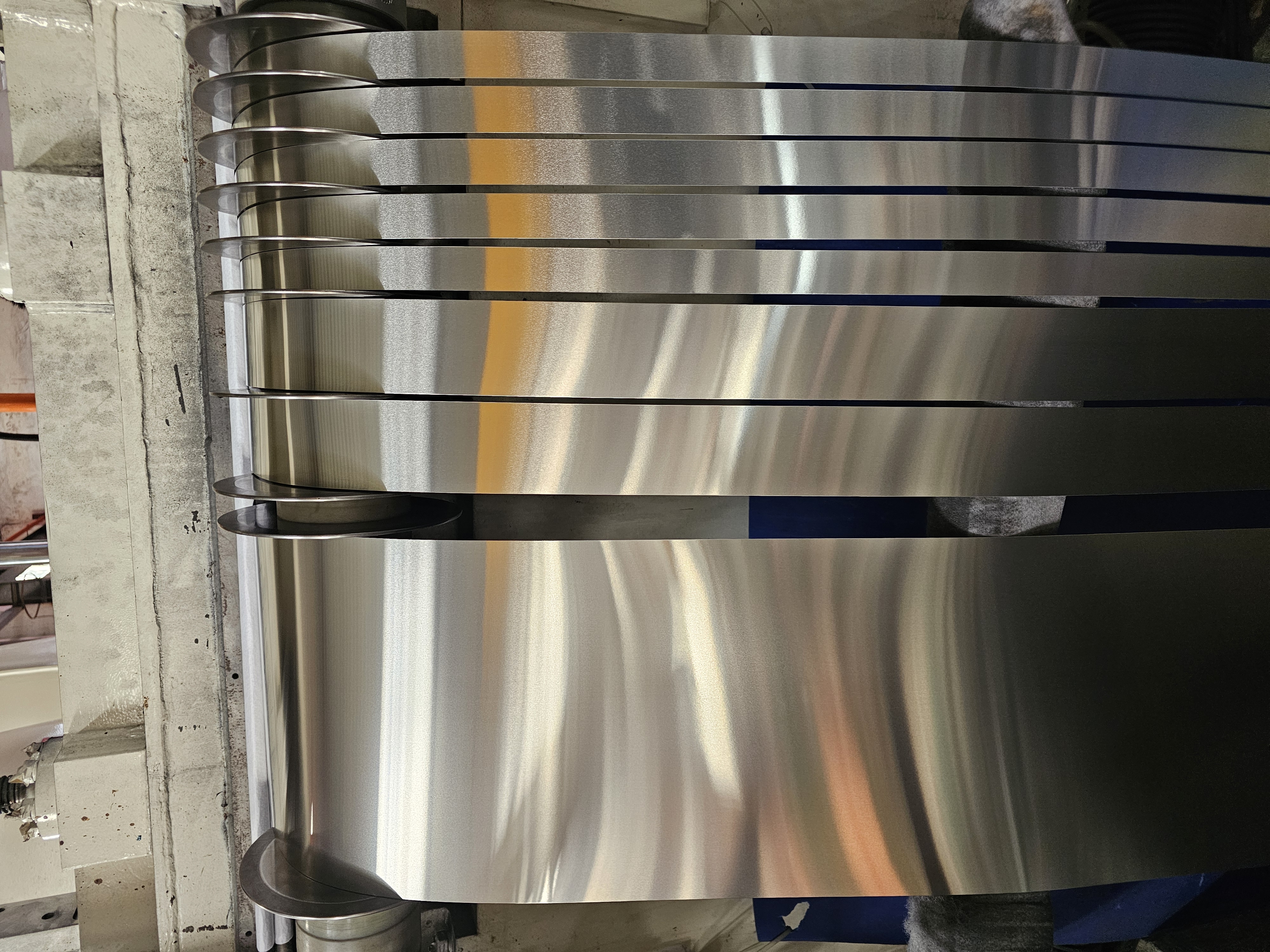
Customized steel strip supports tailored zipper wire profiles for OEM/ODM requirements.
Have Questions or Need More Details?
Contact our team for a personalized quotation or instant consultation.
Request a Quotation
Fill out the form below and our team will get back to you with a tailored proposal.
WhatsApp Direct Chat
Prefer to chat in real-time? Message us on WhatsApp for instant assistance & quick answers.
- Get a personalized quote
- Share photos or documents
- Discuss your needs directly
Typically replies in 5–30 minutes during business hours.