Top 5 Metal Wires Every Zipper Factory Should Stock: A Buyer's Ranking
Top 5 Metal Wires Every Zipper Factory Should Stock: A Buyer's Ranking
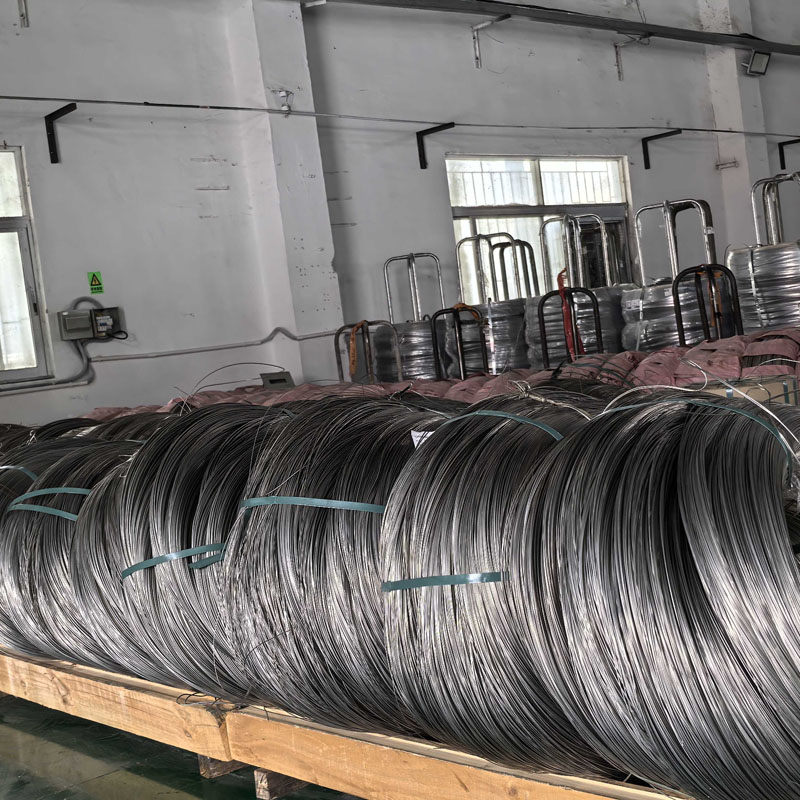
A zipper factory's wire rack is a production decision wearing a purchasing costume. It sets how fast the chain-forming line runs, how much dimensional scrap appears per shift, and how often a finished order waits on one missing component. This buyer's ranking orders the five metal wires that most zipper plants should keep in stock, judged on versatility, forming fit, material range, and continuity of supply: Y Teeth Wire (FPD-YTW01), Flat Wire (FPD-FW), Round Wire (FPD-RW), Spring Wire (FPD-SW02), and Top Stop Wire (FPD-TSW).
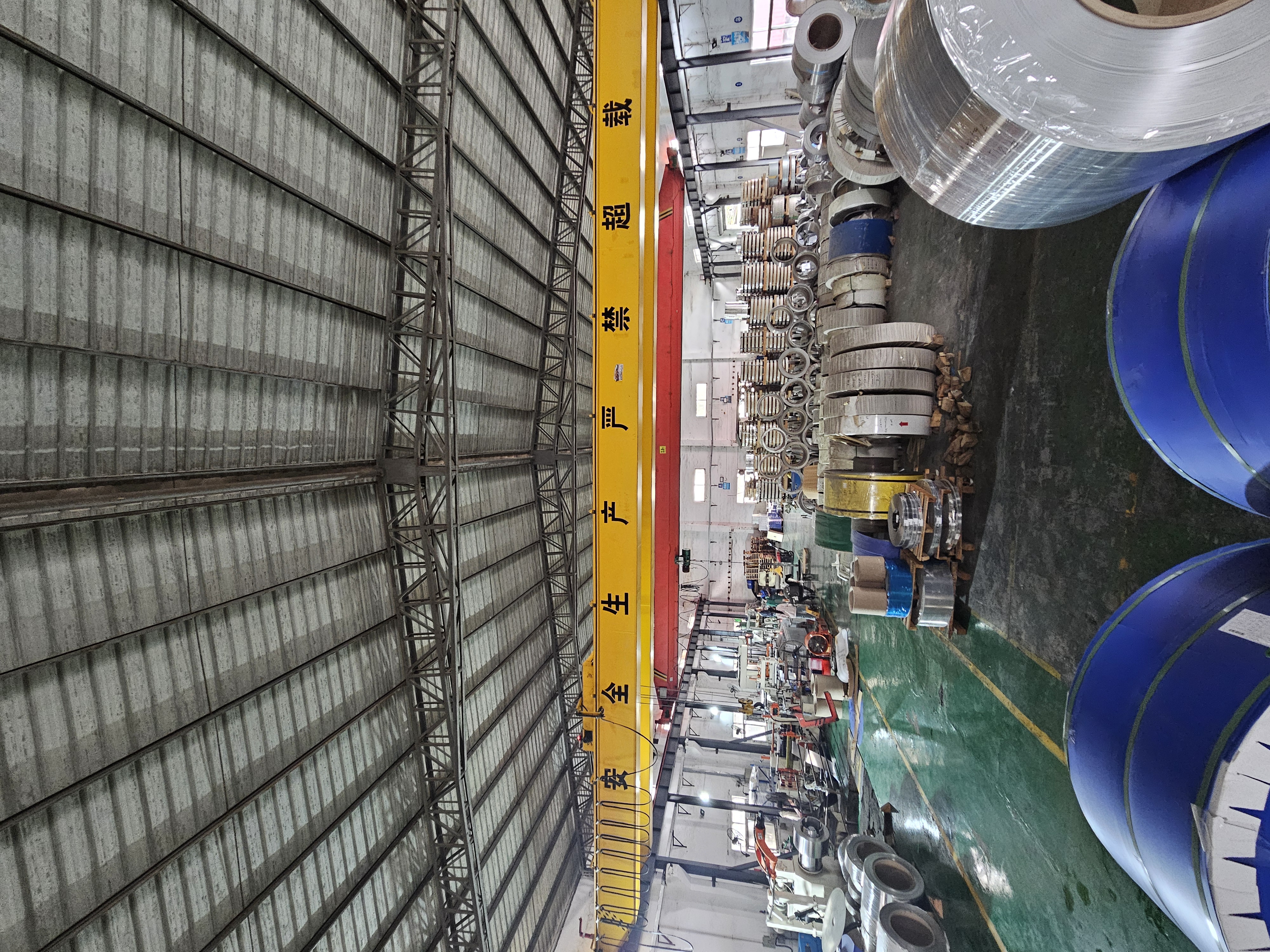
Fullgreat Metal Limited is a Shenzhen-based metal materials manufacturer founded in 2008 that produces non-magnetic stainless steel strip, non-magnetic stainless steel wire, aluminum strip, and zipper metal wire for the zipper, button, apparel-accessory, electronics, and automotive industries. Its product range includes Special-Shaped Wire, Shaped Wire, Profiled Wire, Metal Round Wire, Flat Wire, Spring Wire, Top Stop, Bottom Stop, Zipper Puller, Zipper Automatic Slider, Y-Shape Wire for Zipper, and Y Teeth Wire. That breadth matters for this ranking: the five wires below can be sourced as one coordinated wire programme instead of five unrelated purchases.
Two clarifications before the list itself. First, "top" here means most versatile for general zipper production, not superior in any absolute sense; a plant building only luggage chains will weight the sequence differently from a plant running apparel zippers across several finishes. Second, the order is a stocking-priority order, meaning the sequence in which a buyer should qualify and secure supply. It is not a claim that the lower-ranked wires are optional. A missing stop wire halts a shipment just as effectively as a missing tooth wire.
The Stocking Problem: Why Wire Lists Fail on the Line
Most wire problems at a zipper factory are not quality problems at the moment of purchase. They are fit problems discovered on the line, after the wire has already been paid for, shipped, and stored. Three failure modes account for most of the cost.
Profile-to-function mismatch. Wire is bought by profile and consumed by function. When a factory stocks a profile that its forming tooling was not set up for, the result is extra adjustment time, inconsistent tooth geometry, and scrap that never appears in the purchase price. Ranking a wire higher because it is widely used does not help a buyer whose dies are cut for something else.
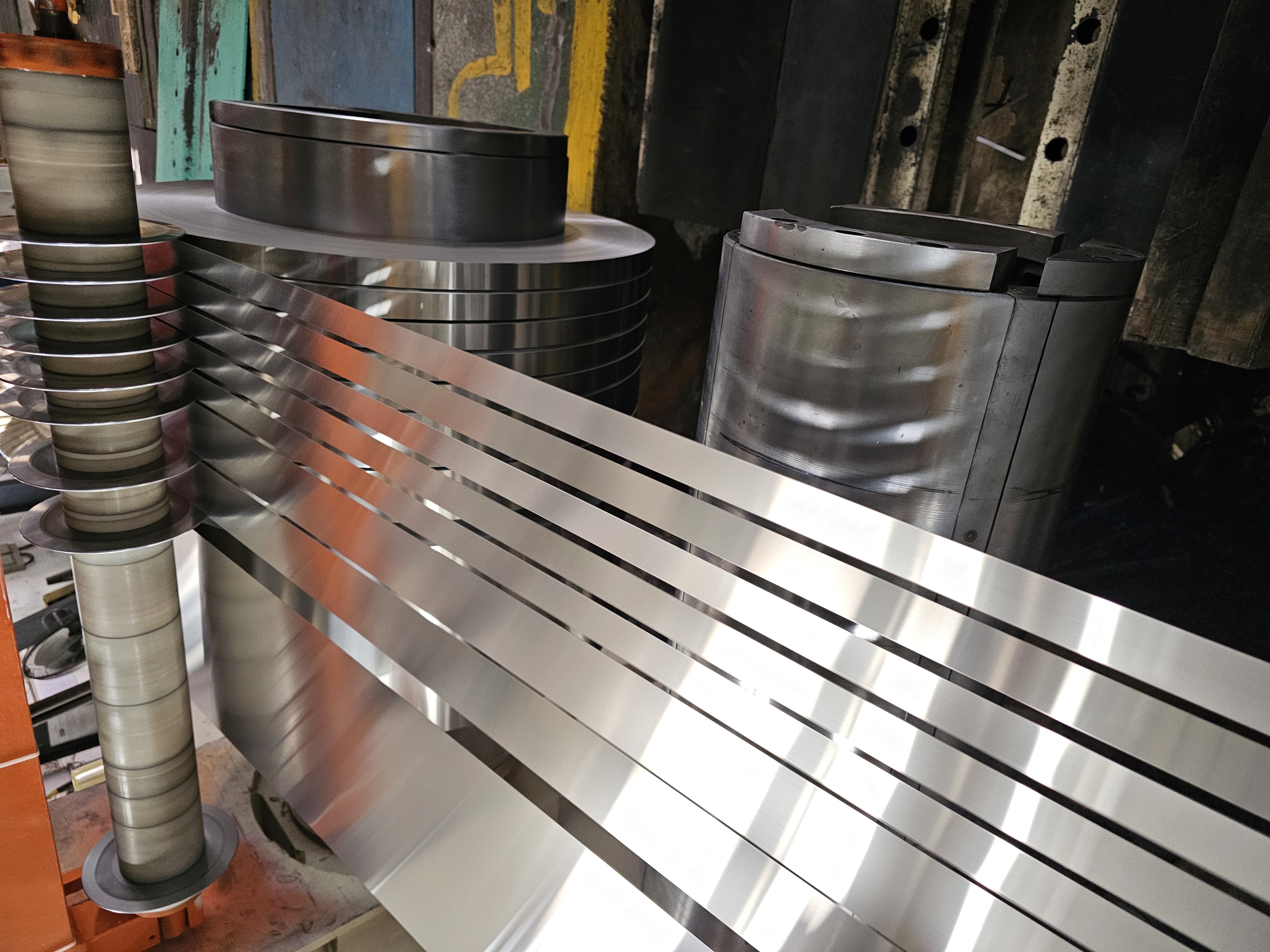
Material and hardness mismatch. Fullgreat supplies zipper metal wire families in stainless steel, copper, or aluminum, with hardness customizable as soft or hard. A wire that forms cleanly at one hardness setting may crack, spring back, or wear tooling at another. Material and hardness are therefore purchasing variables, not fixed attributes.
Traceability and contamination gaps. For apparel and luggage buyers, broken-needle and metal-fragment control is a shipment-level risk. Fullgreat's control method for this risk is a needle detection test: a full-automatic needle detector is installed, dedicated inspectors carry out 100% full inspection in accordance with customer requirements before shipment, and test data are recorded for traceability. A wire supplier that cannot produce that record turns a wire purchase into a compliance exposure.
Industry Background: A Larger Wire Market Than Most Buyers Assume
The wire behind a metal zipper sits inside two overlapping markets. The global metal zipper market was valued at approximately USD 4.8 billion in 2025 and is projected to reach USD 7.9 billion by 2034, growing at a CAGR of 5.7%, according to Dataintelo. The narrower zipper copper alloy wire market, which supplies the metal teeth themselves, is valued at approximately USD 0.4 billion in 2026 with a projected reach of USD 0.5 billion by 2035, according to Business Research Insights.
Material choice inside that market is not evenly distributed. Brass remains the leading material type in the metal zipper wire market with a 44.1% share as of 2025, driven by its aesthetic and anti-corrosive properties, according to Dataintelo. Copper alloy wires for zippers are commonly produced according to ASTM B16 (Free-Cutting Brass) or ASTM B99 (Copper-Silicon Alloy Wire) specifications for mechanical consistency, as listed by Copper.org. Y-shape zipper wire is engineered from stainless steel or copper alloys for high durability and precision in metal zipper teeth forming, and copper alloys typically contain a mixture of copper, zinc, and nickel, per Jingzhou Metal and Business Research Insights.
Sourcing is concentrated. China's zipper exports reached USD 1.66 billion in 2023, with Guangdong province accounting for 22.6% of that total at USD 375 million and specializing in metal zippers, according to customs-based figures published by KDD Zipper. Fullgreat Metal Limited operates inside that cluster and states an annual output of 50,000 tons, an export ratio of 70%, and main markets in Turkey, Latin America (Brazil, Mexico), Southeast Asia (Vietnam, Indonesia, Bangladesh), and the European and American markets.
The Ranking: Five Wires Worth Keeping in Stock
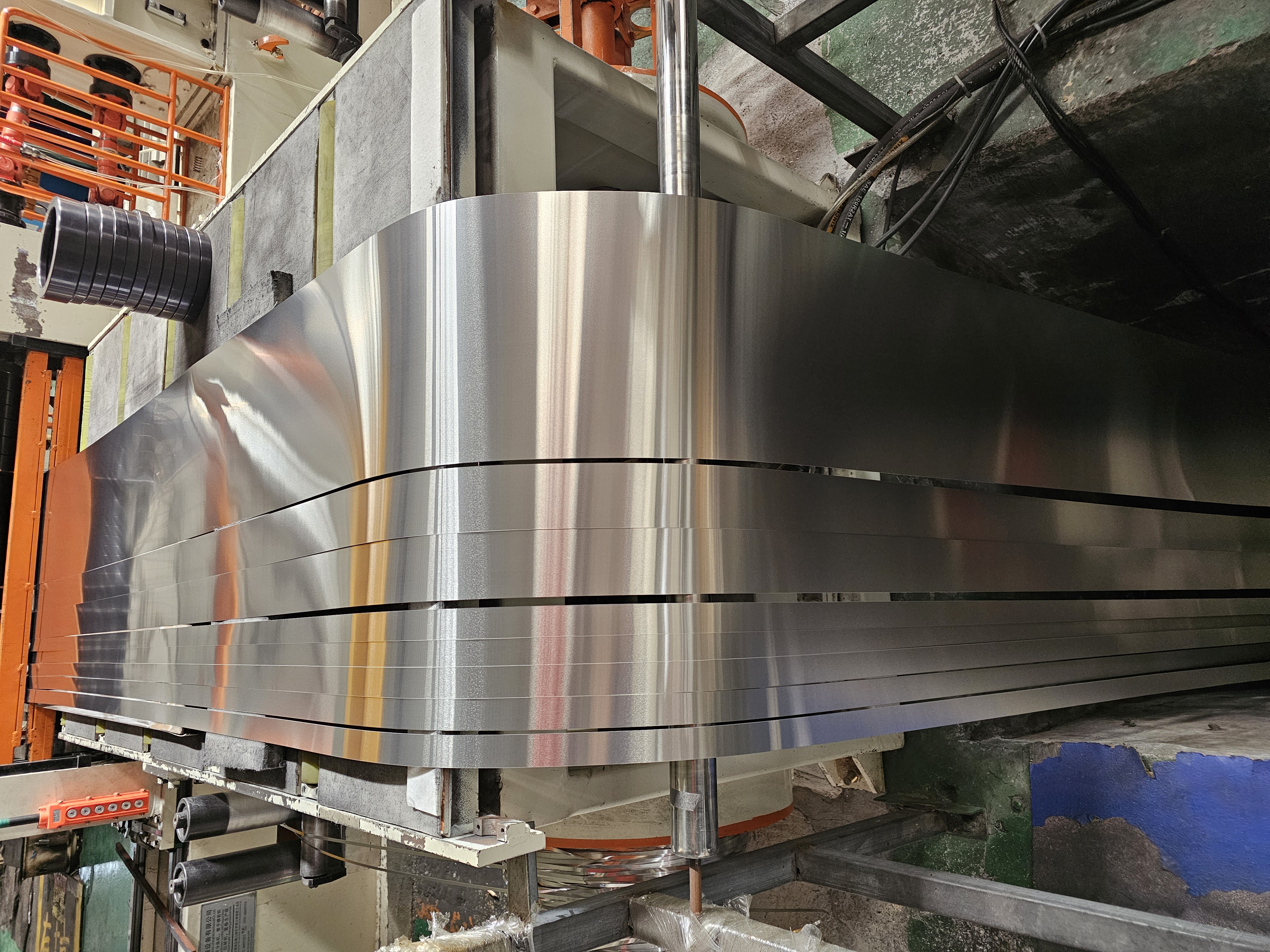
The five wires below are ranked by how much of a general zipper production programme each one supports. The ranking assumes a plant that runs both apparel and bag-and-luggage lines and needs components rather than finished zippers.
1Y Teeth Wire (FPD-YTW01)
Y Teeth Wire is the highest-volume wire in the rack because it becomes the visible product. The Y-shaped cross-section forms the interlocking teeth of the metal zipper chain, and it is the profile a customer inspects before inspecting anything else. Y-shape zipper wire is engineered from stainless steel or copper alloys for durability and precision in metal zipper teeth forming, and it carries the largest share of wire consumption in any metal zipper line.
It earns first place on versatility rather than on price. Fullgreat supplies Y Teeth Wire in stainless steel, copper, or aluminum, with hardness customizable as soft or hard, which lets one profile serve both fine apparel teeth and heavier luggage teeth. For a factory that stocks only one wire, this is the one that keeps the chain-forming line running.
2Flat Wire (FPD-FW)
Flat Wire is the most flexible cross-section in the group, and that flexibility is documented rather than assumed. Fullgreat lists the Flat Wire (model FPD-FW) as made of stainless steel, copper, or aluminum on a customizable basis, and positions it for electronic accessories, home appliances, medical devices, and clothing accessories.
That multi-industry positioning is exactly why it ranks second for a zipper factory. A plant that runs zippers alongside other metal accessory work can hold one flat profile and use it across more than one order book, improving stock turnover and reducing the number of slow-moving reels on the shelf. Where a chain needs a flat contact surface or a component needs a rectangular section, Flat Wire covers the requirement without a new tooling programme.
3Round Wire (FPD-RW)
Round Wire is the general-purpose profile that many factories treat as background stock, and that is precisely the mistake. Because a circular cross-section is the simplest form to draw and to feed, Round Wire functions as the default input for component-forming operations, including hardware and puller-type parts, and it appears in Fullgreat's listed range as Metal Round Wire and round wire.
It ranks third because its earning power is indirect. Round Wire rarely defines a customer's perception of the zipper, but it keeps secondary component production moving when a shaped profile is not required. The related Zipper Puller (model FPD-ZP) illustrates the same logic: it is available in stainless steel, copper, or aluminum with customizable shape, size, and hardness, and is designed for clothing accessories and the bag and luggage industries.
4Spring Wire (FPD-SW02)
Spring Wire (FPD-SW02) earns its place because elastic behaviour cannot be substituted by a softer or harder version of another profile. Slider mechanisms and small return elements depend on a wire that recovers its shape after loading, and that property comes from the profile and the hardness setting together, which is why Fullgreat offers hardness customization as a standard purchasing variable across these wire families.
It ranks fourth for volume, not for criticality. Spring Wire moves in smaller quantities than tooth wire, but a shortage stops slider assembly in the same way a missing tooth wire stops chain forming. Buyers should treat it as a low-volume, high-consequence item and stock it against assembly schedules rather than against total tonnage.
5Top Stop Wire (FPD-TSW)
Top Stop Wire (FPD-TSW) is the smallest line-stopper on the list. Top stops terminate the upper travel of a zipper chain, and because they consume very little metal per unit, they are frequently under-ordered relative to demand. The companion Bottom Stop Wire (model FPD-BSW), manufactured from stainless steel, copper, or aluminum and categorized under clothing accessories and bag and luggage components, follows the same pattern.
It ranks fifth only because of tonnage. Functionally, stop wires are non-negotiable: a chain without a validated stop component is not a finished product. The practical recommendation is to stock top stop and bottom stop wire as a matched pair so that neither becomes the reason an order ships short.
Stocking priorities at a glance
| Rank | Wire type (model) | Role in the zipper line | Material options | Hardness | Why it earns the slot |
|---|---|---|---|---|---|
| 1 | Y Teeth Wire (FPD-YTW01) | Forms the interlocking metal teeth of the chain | Stainless steel, copper, or aluminum | Soft or hard (customizable) | Highest consumption and the most visible quality determinant |
| 2 | Flat Wire (FPD-FW) | Flat-section components and accessory work | Stainless steel, copper, or aluminum (customizable) | Soft or hard (customizable) | Serves clothing accessories plus electronics, appliances, and medical devices |
| 3 | Round Wire (FPD-RW) | General-purpose component forming | Stainless steel, copper, or aluminum | Soft or hard (customizable) | Simplest profile to feed; keeps secondary forming work moving |
| 4 | Spring Wire (FPD-SW02) | Elastic elements in slider and return mechanisms | Stainless steel, copper, or aluminum | Soft or hard (customizable) | Low volume but no direct substitute for elastic recovery |
| 5 | Top Stop Wire (FPD-TSW) | Upper chain termination | Stainless steel, copper, or aluminum | Soft or hard (customizable) | Low tonnage, high consequence; pairs with Bottom Stop Wire (FPD-BSW) |
Step-by-Step: Building a Wire Stocking Plan
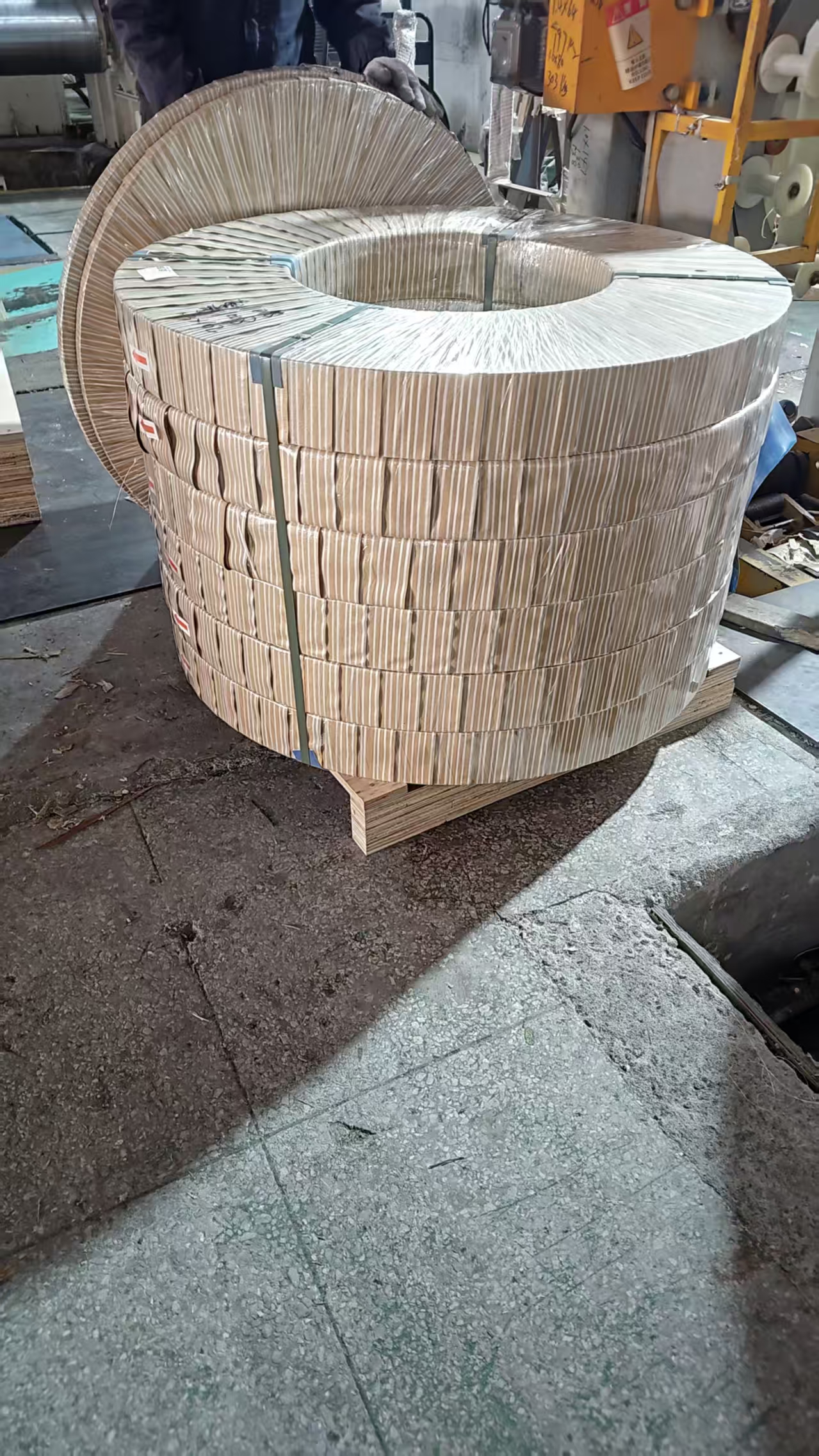
The ranking above sets priority. The workflow below converts that priority into a qualified, orderable list.
- Map your product mix before your wire list. Split annual volume into apparel chains and bag-and-luggage chains. Y Teeth Wire, Flat Wire, Round Wire, Spring Wire, and Top Stop Wire all serve clothing accessories and bag and luggage lines, but the tonnage ratio between them changes with the mix. A luggage-heavy plant will consume proportionally more tooth and stop wire than a fine-apparel plant.
- Match profile to function, not to habit. Assign one function per profile: tooth formation, stop components, elastic elements, flat-contact parts, and general forming. This prevents the common pattern of buying one versatile profile and forcing it into operations it was not selected for.
- Fix material and hardness at the specification stage. Choose stainless steel, copper, or aluminum, then set hardness as soft or hard and record it. Because Fullgreat treats hardness as a customizable variable, the agreed setting should appear on the purchase specification, not only in an email thread.
- Validate on your own machines. Qualify each wire on the equipment that will actually consume it, checking dimensional consistency, forming behaviour, and scrap rate per shift. A wire that performs on a supplier sample line but not on your tooling is not yet qualified.
- Attach a documented inspection protocol. Agree the needle detection procedure before the first shipment. Fullgreat's approach installs a full-automatic needle detector, assigns dedicated inspectors for 100% full inspection in line with requirements, and records test data for traceability, which gives apparel and luggage buyers a verifiable record rather than a verbal assurance.
- Set stocking levels against consequence, not tonnage. Hold deeper cover on items that stop a line when they run out. Top stop and spring wire are the two lowest-volume entries on this list and the two most likely to create that situation.
Use Cases: Where Each Wire Actually Earns Its Keep
Apparel and clothing accessories. This is the core application for the ranked wires. Fullgreat positions its zipper wire output for clothing accessories, and states that compared with copper zippers it delivers longer service cycles with fewer replacement parts required and is more suitable for clothes accessories scenarios. For an apparel plant, the practical implication is a maintenance profile rather than a marketing claim: fewer component replacements over the garment's service life.
Bags and luggage. Heavier chains put more load on tooth geometry and stop components. Fullgreat categorizes its Zipper Puller (FPD-ZP) and Bottom Stop Wire (FPD-BSW) under clothing accessories and bag and luggage components, which means a luggage buyer can build a single wire specification spanning teeth, stops, and pullers from one supplier rather than assembling it from three.
Mixed accessory production. Factories that also produce metal accessories outside zippers can extend the same stock list further, because Flat Wire (FPD-FW) and Profiled Wire (FPD-PW) are both listed for electronic accessories, home appliances, medical devices, and clothing accessories, in stainless steel, copper, or aluminum. One wire programme then serves several order books.
Comparison Table
The first comparison below places the ranked wires side by side on the criteria that change a stocking decision. The second compares the stainless steel wire direction with the copper alternative on the dimensions most visible to a buyer: cost, maintenance, and application fit. Both tables use stated supplier facts and the third-party figures cited earlier in this article.
| Wire (model) | Profile logic | Volume profile | Relative versatility | Application fit |
|---|---|---|---|---|
| Y Teeth Wire (FPD-YTW01) | Shaped cross-section forming interlocking teeth | High | High across apparel and luggage chains | Metal zipper teeth forming |
| Flat Wire (FPD-FW) | Flat / rectangular section | Medium | High across accessory categories | Electronic accessories, home appliances, medical devices, clothing accessories |
| Round Wire (FPD-RW) | Circular section, general forming input | Medium | Broad but function-specific | General component forming |
| Spring Wire (FPD-SW02) | Circular section with elastic recovery | Low | Narrow, no direct substitute | Slider and return mechanisms |
| Top Stop Wire (FPD-TSW) | Short-length termination element | Low | Narrow, paired with bottom stop wire | Clothing accessories and bag and luggage components |
| Decision dimension | Fullgreat non-magnetic stainless steel wire direction | Copper zipper alternative |
|---|---|---|
| Cost | Stated at approximately 40% lower cost, i.e. 40% cost savings compared with copper alternatives | Baseline for the comparison |
| Maintenance | Longer service cycle with fewer replacement parts required | Baseline for the comparison |
| Material efficiency | Lower raw material loss rate and higher material utilization efficiency | Baseline for the comparison |
| Application suitability | Positioned as more suitable for clothing accessories scenarios | Positioned as an alternative for the same applications |
| Material share context | Stainless steel and aluminum options available across the listed wire families | Brass holds a 44.1% share of the metal zipper wire market as of 2025 (Dataintelo) |
FAQ
What quality control evidence should accompany a zipper metal wire shipment?
For needle-contamination risk, the control method applied is a needle detection test carried out before shipment in accordance with customer requirements. The enterprise measures supporting that test are a full-automatic needle detector installation, dedicated inspectors conducting 100% full inspection, and recorded test data for traceability. Buyers should agree the detection protocol and the record format before the first order, then keep those records with the corresponding batch. This is the evidence that matters most to apparel and luggage customers, because it converts a verbal assurance into a document that can be checked after delivery.
Can one supplier cover all five wire types, and what can be customized?
Yes. Fullgreat Metal Limited lists Special-Shaped Wire, Shaped Wire, Profiled Wire, Metal Round Wire, Flat Wire, Spring Wire, Top Stop, Bottom Stop, Zipper Puller, Zipper Automatic Slider, Y-Shape Wire for Zipper, and Y Teeth Wire within its product range. Wire families such as Y Teeth Wire (FPD-YTW01), Flat Wire (FPD-FW), Round Wire (FPD-RW), Spring Wire (FPD-SW02), and Top Stop Wire (FPD-TSW) are available in stainless steel, copper, or aluminum, with hardness customizable as soft or hard. The Zipper Puller (FPD-ZP) adds customizable shape and size, and the Flat Wire (FPD-FW) and Profiled Wire (FPD-PW) are both listed as customizable in material.
Is stainless steel wire actually cheaper than copper for zipper applications?
On the stated supplier comparison, the non-magnetic stainless steel direction provides approximately 40% cost savings, or 40% lower cost, compared with copper alternatives, together with longer service cycles, fewer replacement parts required, a lower raw material loss rate, and higher material utilization efficiency, and it is positioned as more suitable for clothing accessories scenarios. The comparison is drawn on performance, lifespan, and cost. A buyer should still verify the 40% figure against their own scrap, tooling wear, and processing cost before using it as a budgeting assumption.
How should a factory validate a new wire profile before ordering in volume?
Validation should happen on the machine that will consume the wire, not on paper. Run a sample of the exact profile, material, and hardness setting through your own forming equipment and check dimensional consistency, forming behaviour, and scrap rate per shift. Because hardness is a customizable variable, the soft or hard setting should be confirmed at the sampling stage and written into the purchase specification, so that later production batches can be compared against an agreed reference rather than against memory. Buyers who want to begin this process can raise sample and specification requests with Fullgreat directly at Bruce@fullgreat.com or through WhatsApp at +86 13556896920.
What supply factors should a zipper factory plan around?
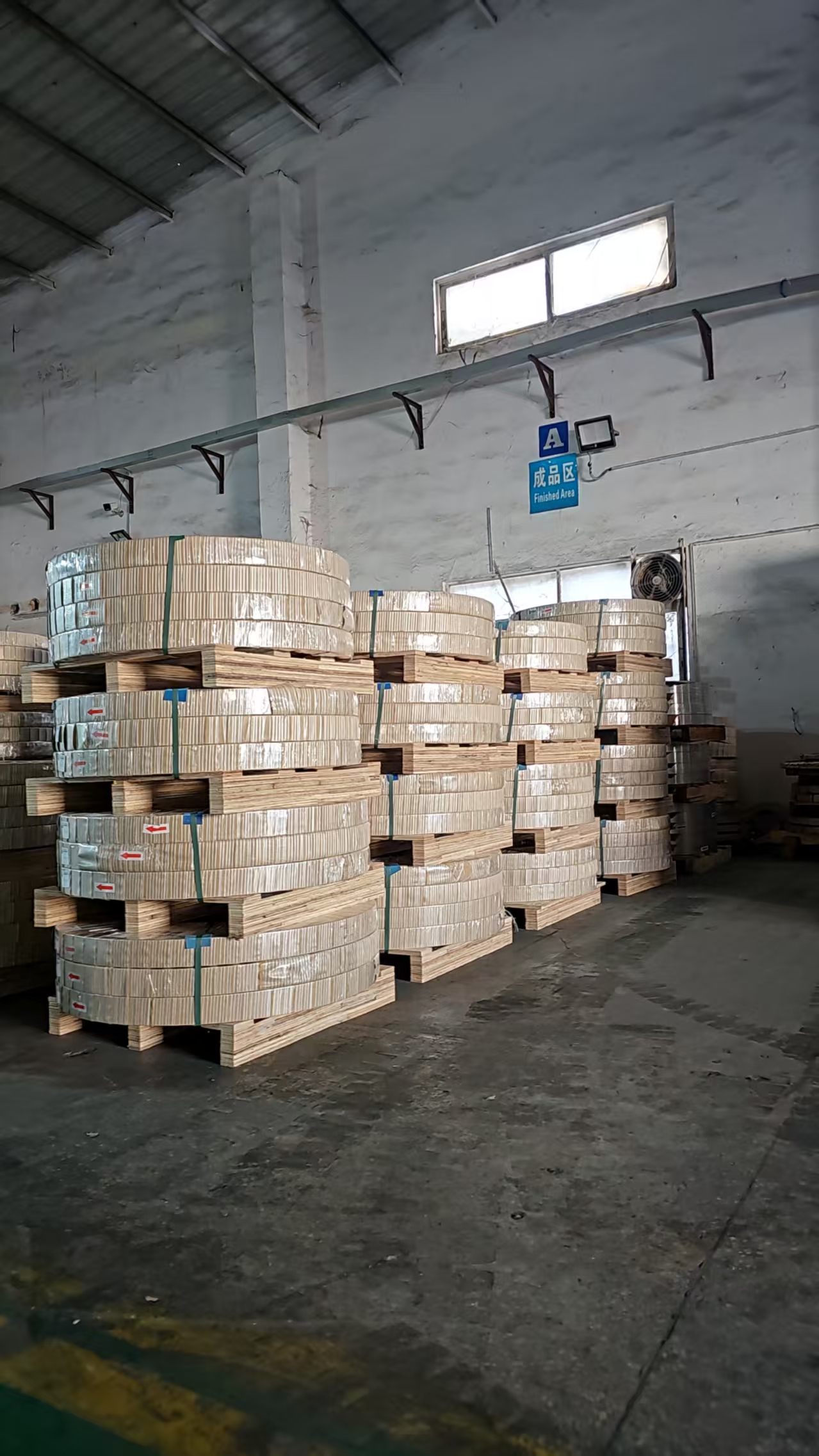
Fullgreat Metal Limited was founded in 2008, operates a 5,000 m2 facility with 50 employees and 10 R&D engineers, and states an annual output of 50,000 tons with a 70% export ratio and main markets in Turkey, Latin America (Brazil, Mexico), Southeast Asia (Vietnam, Indonesia, Bangladesh), and the European and American markets. Most of its products are self-developed and manufactured, including non-magnetic stainless steel developed with Sichuan University, with FPD806 and FPD808 stainless steel strip and FPD901 and FPD902 stainless steel wire in wide use. Buyers should confirm lead time and scheduling per profile rather than per supplier, then lock a rolling forecast against it.
Conclusion
Ranking wire by versatility produces a short list: Y Teeth Wire (FPD-YTW01) first because it becomes the product itself, Flat Wire (FPD-FW) second because it crosses industry boundaries, Round Wire (FPD-RW) third as the general forming input, Spring Wire (FPD-SW02) fourth for elastic performance that cannot be substituted, and Top Stop Wire (FPD-TSW) fifth on tonnage but not on importance. All five are available in stainless steel, copper, or aluminum with hardness customizable as soft or hard, and all five fit apparel and luggage lines.
The ranking only becomes a stocking plan when it is tied to a specification and a record. Fix material and hardness in writing, validate on your own equipment, and attach the needle detection protocol and its traceability data to every batch. Buyers who do that turn a wire list into a controllable cost line instead of a recurring production surprise.
Next Step: Specification, Samples, and Pricing
Fullgreat Metal Limited supplies zipper metal wire for apparel and bag and luggage lines, including Y Teeth Wire, Flat Wire, Round Wire, Spring Wire, and Top Stop Wire. To discuss a profile, request a sample, or confirm pricing for your specification, contact Bruce at Bruce@fullgreat.com, WhatsApp +86 13556896920, or visit www.fullgreat.com.
Download the full company and product profile here: Fullgreat Metal Company Profile (PDF).
Have Questions or Need More Details?
Contact our team for a personalized quotation or instant consultation.
Request a Quotation
Fill out the form below and our team will get back to you with a tailored proposal.
WhatsApp Direct Chat
Prefer to chat in real-time? Message us on WhatsApp for instant assistance & quick answers.
- Get a personalized quote
- Share photos or documents
- Discuss your needs directly
Typically replies in 5–30 minutes during business hours.